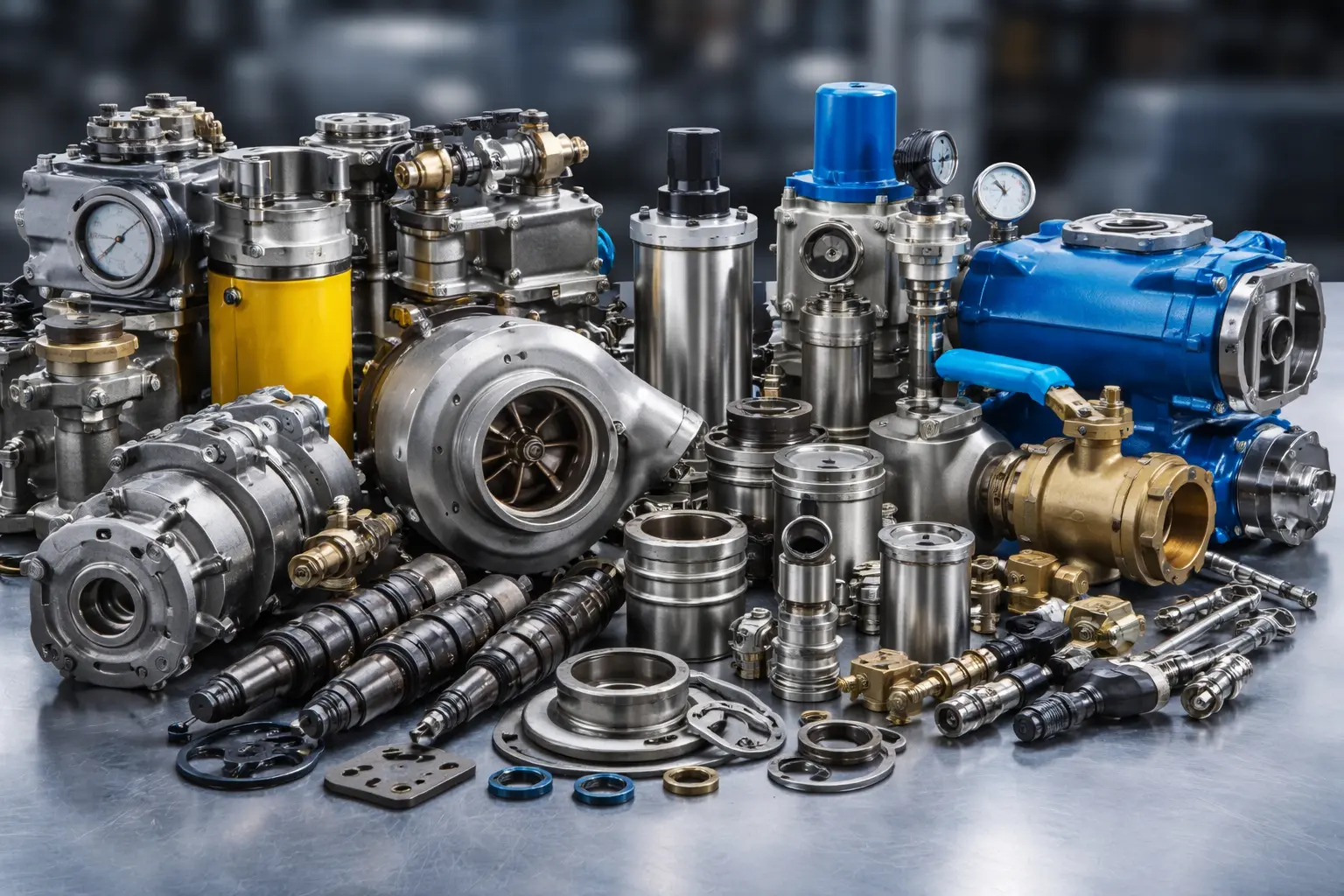
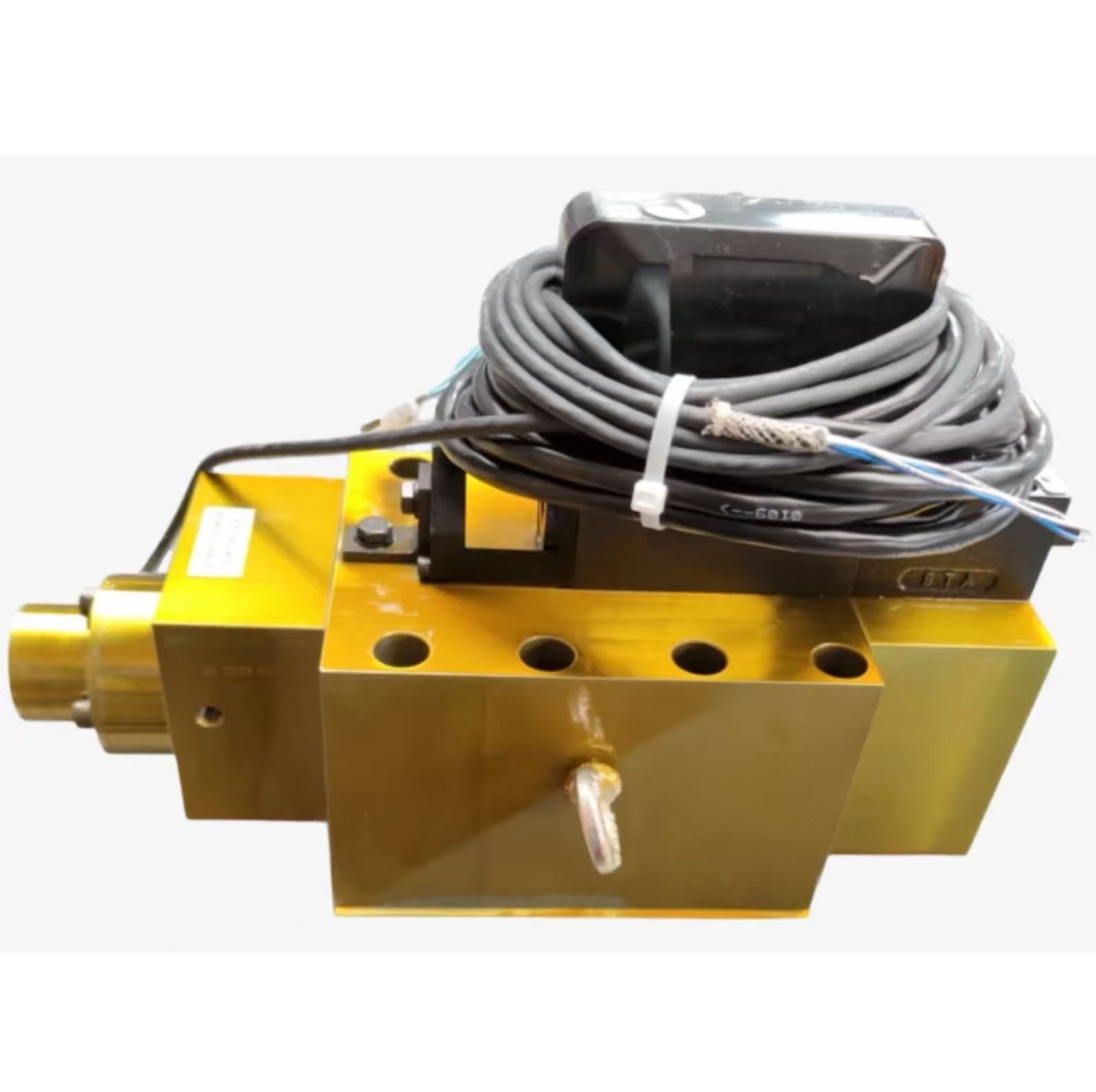
In today’s industrial landscape, automation and efficiency are driven by air-powered systems. At the heart of these systems are pneumatic parts, which enable machines to function with speed, precision, and reliability. From automotive plants in Michigan to food packaging facilities in California, industries across the USA rely heavily on pneumatic parts to keep operations running smoothly.
For beginners, understanding how pneumatic parts work is essential for choosing the right system, improving performance, and reducing downtime. This guide by KEEPHYDRO breaks everything down in a simple, practical, and expert-driven way so you can confidently navigate the world of pneumatics.
What Is Pneumatics and How Does It Work in Industry?
What is pneumatics?
Pneumatics is the technology that uses compressed air to perform mechanical tasks. In simple terms, a pneumatic system converts air pressure into motion. This system relies heavily on interconnected pneumatic parts such as valves, cylinders, hoses, and actuators.
What is a pneumatic system meaning in real-world applications?
A pneumatic system refers to a setup where compressed air is controlled and directed to create movement or force. In the USA, factories often use this system for assembly lines, robotic arms, and packaging machines.
Definition of a pneumatic system:
A pneumatic system is a network of components that uses compressed air to transmit and control energy.
For beginners trying to define a pneumatic system or explain pneumatic system concepts, it is important to understand that every function depends on high-quality pneumatic parts working together seamlessly.
How Do Pneumatic Parts Work in a System?
How do pneumatic parts actually function inside machinery?
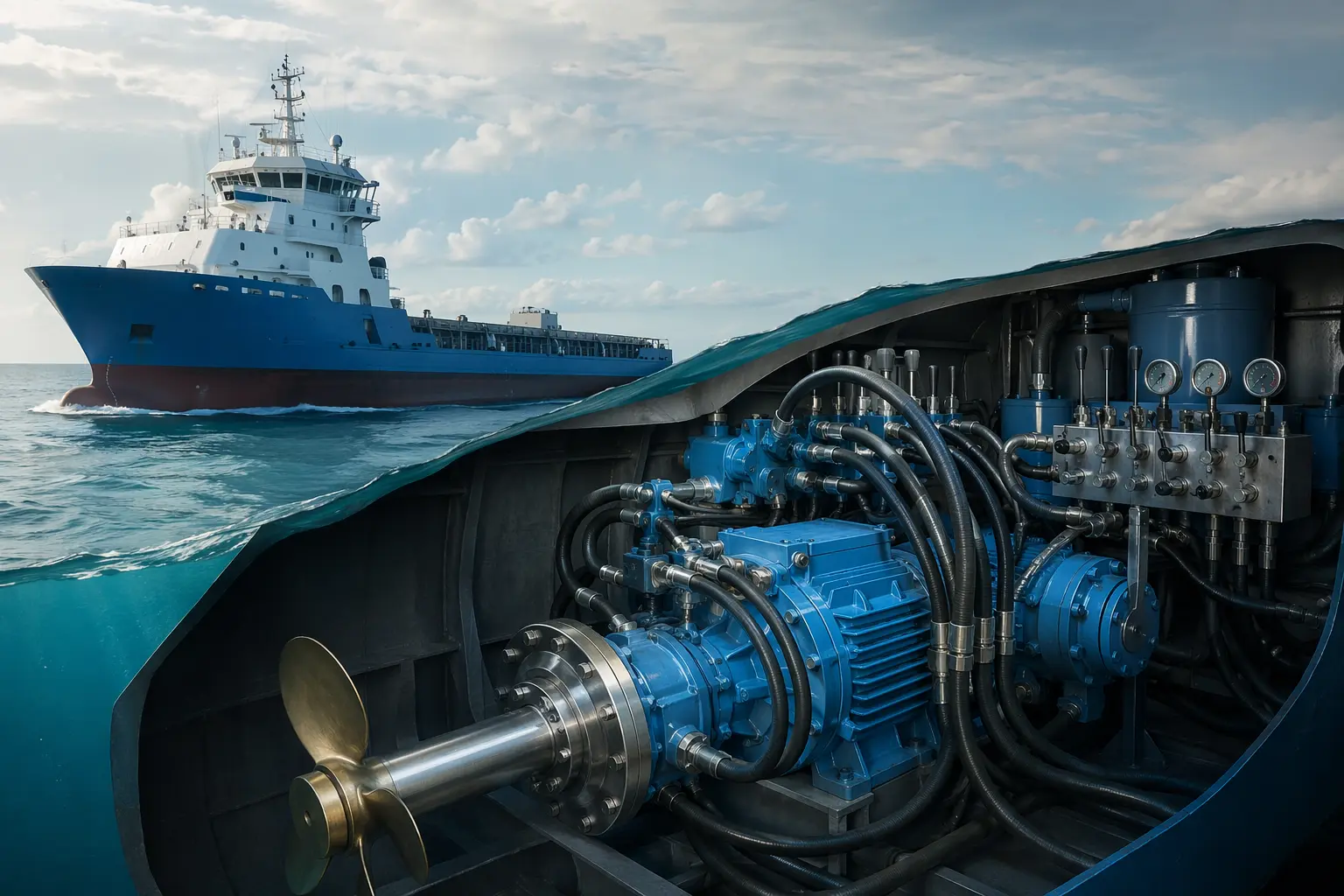
In a typical setup, compressed air is generated by a compressor and then distributed through a network of pneumatic parts and marine engine spare parts. These components regulate airflow, direction, and pressure to create controlled mechanical movement, ensuring both industrial pneumatic systems and marine engine operations function efficiently and reliably.
For example:
- Cylinders convert air pressure into linear motion
- Valves control airflow direction
- Actuators perform physical work
Without properly functioning pneumatic parts, even the most advanced automation system can fail. That’s why industries in the USA prioritize high-grade pneumatic parts for long-term reliability.
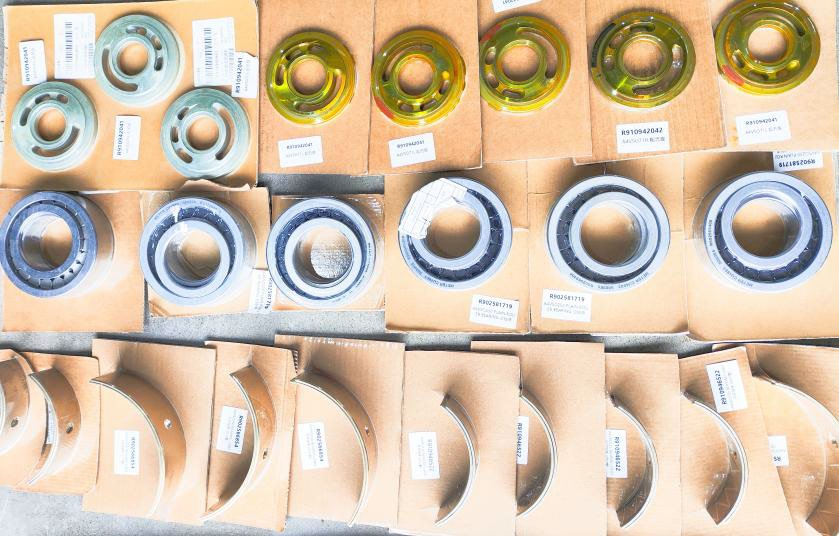
What Are the Main Types of Pneumatic Parts Used Today?
What components make up a pneumatic system?
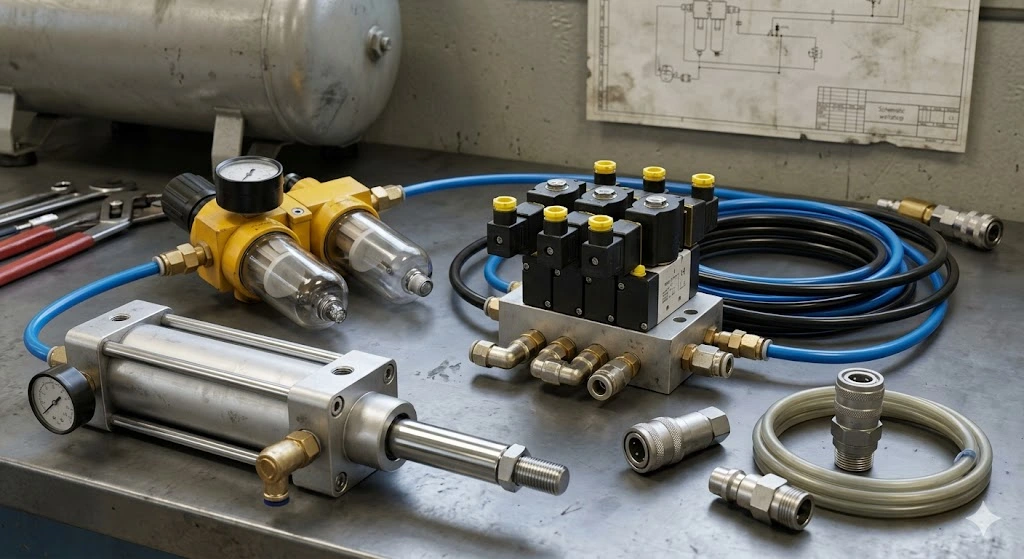
A pneumatic setup includes several essential elements, all categorized as pneumatic components. These include:
- Air compressors
- Cylinders and actuators
- Direction control valves
- Air filters and regulators
- Tubing and fittings
Each of these pneumatic parts plays a specific role in ensuring smooth airflow and efficient performance.
In industrial environments, especially in manufacturing hubs like Texas and Ohio, selecting durable pneumatic parts is critical for minimizing breakdowns and improving productivity.
Why Are Pneumatic Parts Important in Automation Systems?
Why are industries shifting toward pneumatic equipment automation?
Modern pneumatic equipment automation is widely used because it is cost-effective, clean, and highly efficient. Automated systems depend on precise pneumatic parts to ensure accuracy and speed in production lines.
In the USA, industries such as automotive, aerospace, and logistics rely on pneumatic automation components to streamline operations.
Without reliable pneumatic components, automation systems lose efficiency, leading to delays and increased operational costs.
Where Are Pneumatic Parts Used in the USA Industry?
Where do we see real-world applications of pneumatic components?
Across the United States, pneumatic parts are widely used in:
- Automotive manufacturing plants in Detroit
- Food processing units in Chicago
- Packaging industries in California
- Aerospace facilities in Texas
These industries rely on pneumatic parts for tasks such as assembly, pressing, lifting, and sorting.
Because of their durability and speed, pneumatic components have become the backbone of modern industrial automation.
How to Choose Reliable Pneumatic Components Suppliers and Manufacturers?
What should you look for in suppliers?
Choosing the right pneumatic components suppliers and pneumatic manufacturers is essential for maintaining system efficiency. High-quality suppliers ensure that every component meets industrial standards and performs reliably under pressure.
Key factors include:
- Product durability
- Compliance with safety standards
- Availability of pneumatic replacement parts
- Technical support and expertise
Companies like KEEPHYDRO focus on providing reliable pneumatic components that meet global quality standards and support industrial automation needs in the USA.
What Are Pneumatic Replacement Parts and Why Do They Matter?
Why is maintenance important in pneumatic systems?
Over time, every system requires servicing. That’s where pneumatic replacement parts come into play. These components ensure that machinery continues to function without interruption.
In industrial environments, worn-out pneumatic parts can lead to system failure. Regular replacement helps maintain efficiency and reduces downtime.
Using high-quality pneumatic elements for replacement also extends the lifespan of equipment and ensures consistent performance.
How KEEPHYDRO Supports Industrial Pneumatic Solutions
KEEPHYDRO has established itself as a trusted name in delivering high-performance pneumatic components for industrial automation systems. With a focus on quality, innovation, and reliability, the brand supports businesses across the USA in optimizing their operations.
From pneumatic tool parts used in workshops to large-scale automation systems, KEEPHYDRO ensures every solution is engineered for durability and precision.
By offering advanced pneumatic components, KEEPHYDRO helps industries reduce downtime, improve productivity, and maintain operational excellence.
Conclusion
Understanding pneumatic parts is essential for anyone working in industrial automation, manufacturing, or mechanical systems. These components form the foundation of efficient and reliable machinery.
Whether you’re exploring a pneumatic system for the first time or upgrading existing equipment, selecting the right pneumatic components ensures long-term success. With trusted providers like KEEPHYDRO, businesses can confidently invest in high-quality solutions designed for performance and durability.
FAQs
1. What are pneumatic parts used for?
Pneumatic parts are used to control and transmit compressed air in machinery for automation, movement, and industrial applications.
2. What is a pneumatic system in simple terms?
A pneumatic system is a setup that uses compressed air and pneumatic parts to generate mechanical motion.
3. How long do pneumatic components last?
High-quality pneumatic parts can last several years depending on usage, maintenance, and operating conditions.
4. What industries use pneumatic systems in the USA?
Industries like automotive, aerospace, packaging, and manufacturing heavily rely on pneumatic parts.
5. Why choose KEEPHYDRO for pneumatic elements?
KEEPHYDRO provides durable and efficient pneumatic components designed for modern industrial automation needs.