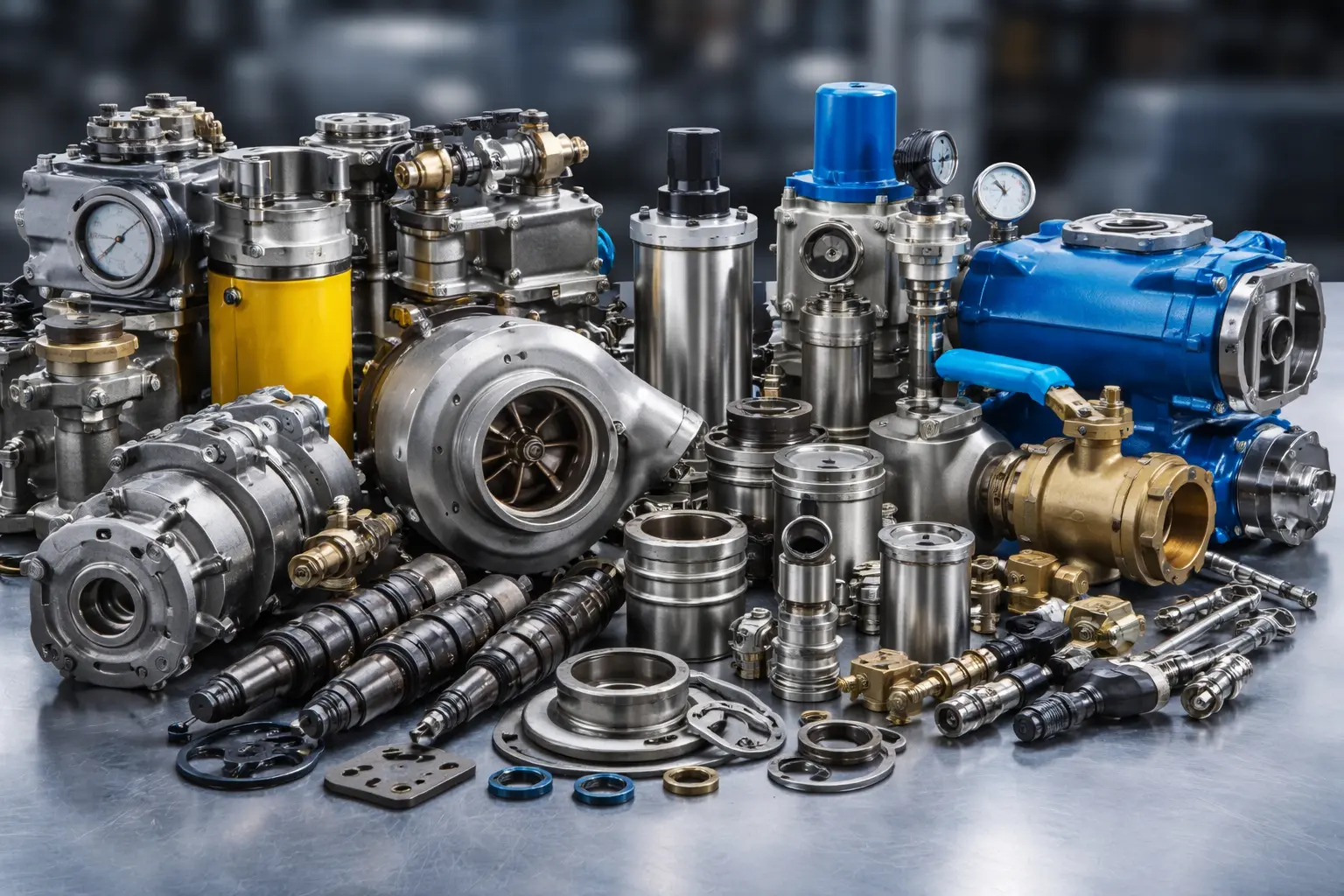
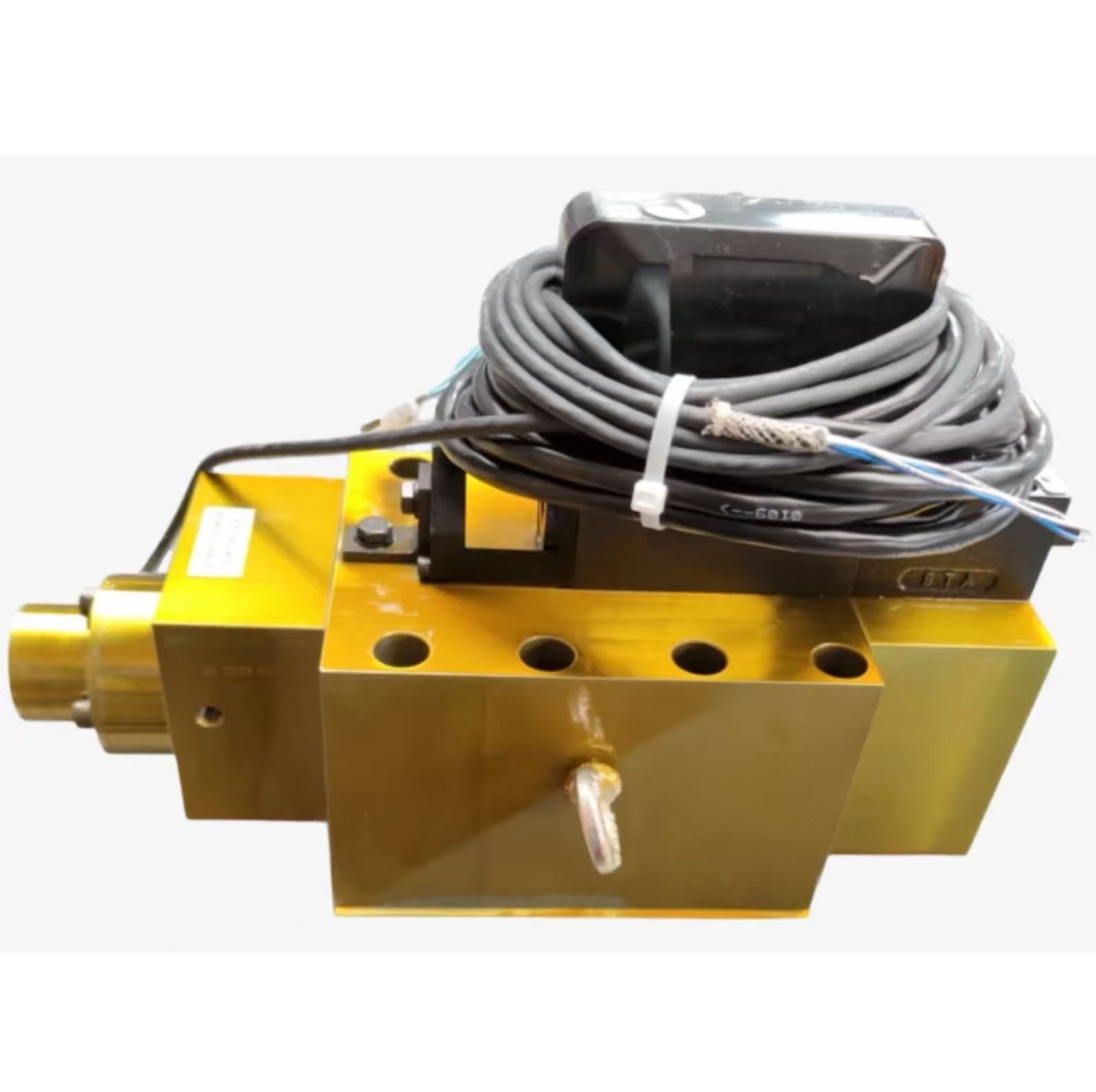
If you work with industrial machinery, construction equipment, or even a car lift, you rely on hydraulic system components every day. These parts work together to transmit power using pressurized fluid, efficiently and reliably.
But for beginners, understanding components of a hydraulic system can feel overwhelming. Valves, pumps, cylinders, hoses, where do you start?
This guide breaks down every component in a hydraulic system in simple terms. You’ll learn what each part does, how they work together, and how to keep your hydraulic system components running longer.
At KEEPHYDRO, we’ve helped hundreds of US-based workshops and fleet operators maintain and optimize their hydraulic components and systems. Let’s get started.
What Are the Main Components of a Hydraulic System?
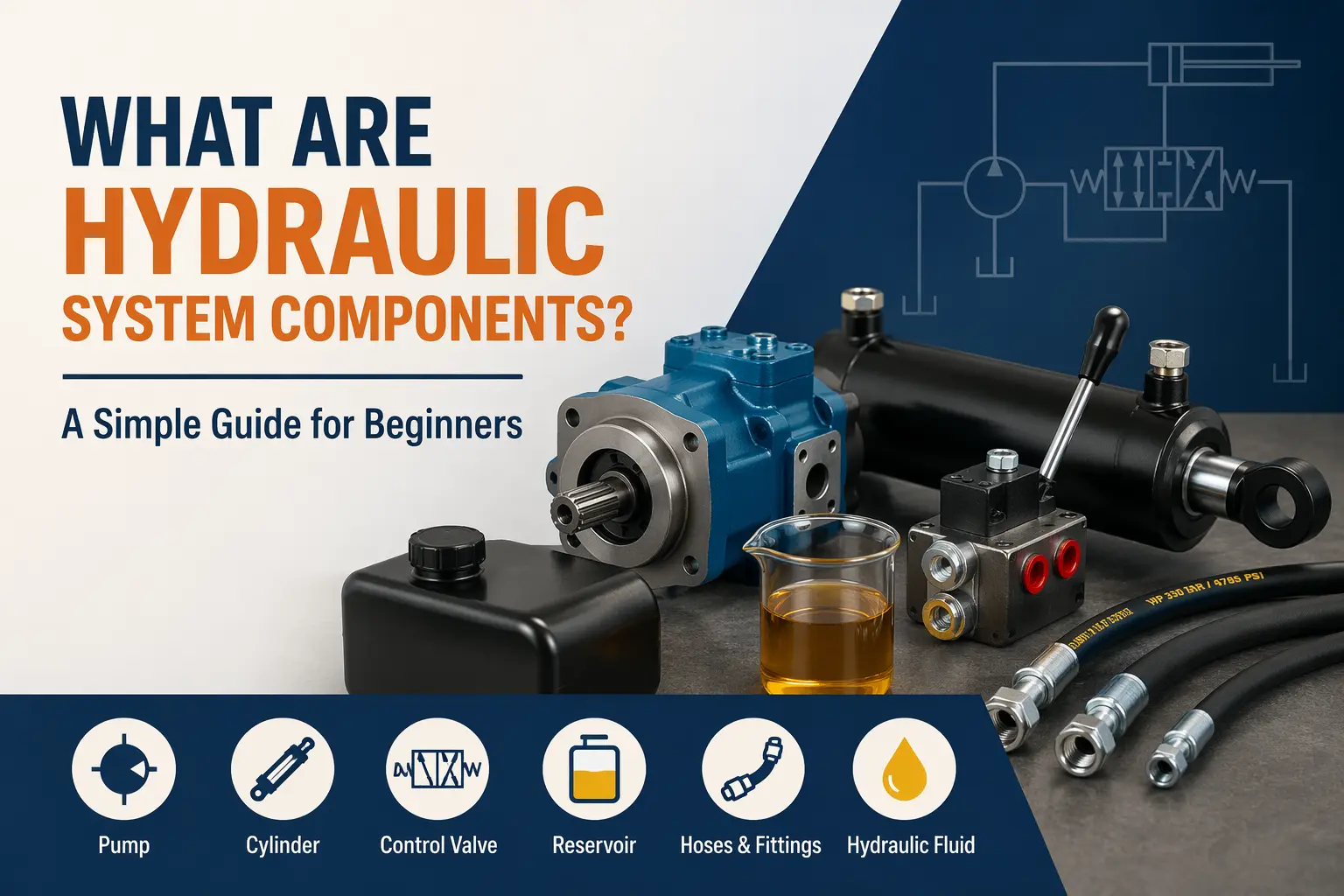
Every hydraulic system has eight core parts. Missing even one means the system cannot function properly.
The main components of a hydraulic system are:
- Hydraulic pump
- Reservoir (tank)
- Hydraulic cylinder or motor
- Directional control valve
- Pressure relief valve
- Hydraulic filter
- Accumulator (in some systems)
- Hoses, pipes, and fittings
Understanding these hydraulic system components helps you diagnose failures before they become expensive repairs.

Why Do Hydraulic Systems Need a Reservoir?
The reservoir stores hydraulic fluid and helps cool it. It also allows air bubbles and contaminants to settle before fluid re-enters the pump.
Question: What happens if your reservoir is too small?
Answer: The fluid overheats, causing seal failure and pump cavitation. Always follow OEM recommendations.
In hydraulic systems components, the reservoir is often overlooked. But at KEEPHYDRO, we recommend checking fluid levels weekly especially in hot US climates like Texas or Arizona.
How Does a Hydraulic Pump Work?
The pump converts mechanical energy into hydraulic energy. It moves fluid from the reservoir into the rest of the system.
Question: Which pump type is best for beginners?
Answer: Gear pumps are simple, affordable, and common in log splitters and small loaders.
Different hydraulic system components use different pump types: gear, vane, or piston. Piston pumps handle higher pressures (over 5,000 psi), common in US heavy construction.
Every component in a hydraulic system depends on the pump delivering consistent flow. Without it, nothing moves.
What Role Do Valves Play in Hydraulic Systems?
Valves control flow direction, pressure, and speed. They are among the most critical hydraulic system components.
- Directional control valves decide which way fluid goes.
- Pressure relief valves prevent overpressure damage.
- Flow control valves regulate actuator speed.
Question: Why does my system lose lifting power?
Answer: A worn pressure relief valve may be opening too early, a common issue in older US forklifts and loaders.
At KEEPHYDRO, we’ve seen failed valves cause 40% of hydraulic breakdowns in Midwest manufacturing plants.
Hydraulic Cylinders and Motors: The Muscle
Cylinders create linear motion. Motors create rotary motion. Both are essential components of a hydraulic system.
Question: How do I know if my cylinder is failing?
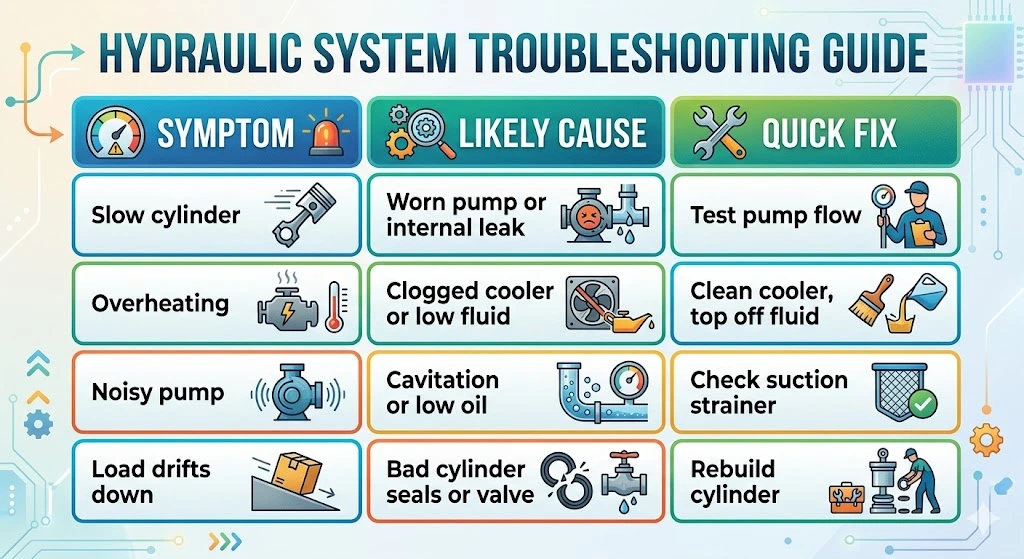
Answer: Look for slow operation, drifting loads, or visible fluid around the piston rod.
In US agriculture, cylinder failure costs farmers thousands during harvest. Regular seal inspection saves money.
All hydraulic systems components that move heavy loads rely on cylinders or motors. A worn cylinder can reduce system efficiency by 30% or more.
Why Filtration Matters More Than You Think
Hydraulic fluid must stay clean. Dirt kills hydraulic system components quickly.
Question: How often should I change hydraulic filters?
Answer: Every 500–1,000 hours, or per manufacturer specs. More often in dusty US environments like Nevada or West Texas.
A single 10-micron particle can scratch a pump piston. That’s why every component in a hydraulic system benefits from proper filtration.
KEEPHYDRO recommends using beta-rated filters (β10 ≥ 200) for industrial systems.
Accumulators: Small Component, Big Impact
Accumulators store pressurized fluid for peak demands. Not every system has one, but where present, they are vital hydraulic system components.
Question: What’s the most common accumulator failure?
Answer: Lost gas precharge, often overlooked in US auto shops and presses.
Accumulators improve pump life and response time. But a failed accumulator can make your hydraulic components and systems sluggish or dangerous.
Hoses, Fittings, and Pipes: The Circulatory System
Fluid travels through hoses and tubes. These connecting parts are often the weakest link among components in a hydraulic system.
Question: How long do hydraulic hoses last?
Answer: 5–7 years on average, but heat and abrasion reduce that to 2 years in harsh US environments like mining or road construction.
Inspect hoses monthly for cracks, blisters, or leaks. At KEEPHYDRO, we teach a simple “wipe and look” method that prevents catastrophic failures.
Common Hydraulic Problems and Quick Fixes
Even well-maintained hydraulic system components eventually show symptoms. Here are real-world issues from US shops:
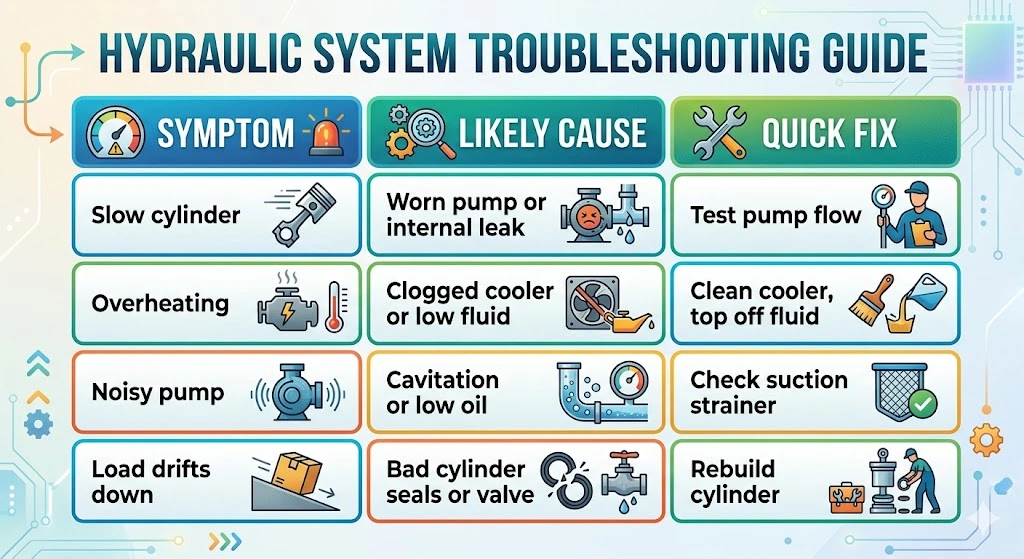
Question: Can I mix different brands of hydraulic fluid?
Answer: No. Mixing can degrade additives and damage seals. Stick to one type preferably recommended by KEEPHYDRO for your specific system.
How to Maintain Hydraulic System Components for Long Life
Proper maintenance doubles the life of your hydraulic system components. Follow these US best practices:
- Check fluid level daily — before startup.
- Change filters on schedule — not just when clogged.
- Sample hydraulic oil annually — sent to a lab like ALS or Polaris.
- Inspect hoses and fittings monthly — replace if chafed.
- Keep a maintenance log — track hours and repairs.
KEEPHYDRO offers free maintenance templates for US-based workshops. A logged system lasts 2x longer than an unlogged one. Understanding every component in a hydraulic system is the first step. Acting on that knowledge is the second.
Final Thoughts
Mastering hydraulic system components doesn’t require an engineering degree. It requires knowing what each part does, how to spot early failures, and maintaining a clean, cool, and properly filtered system.
From the lippert components hydraulic leveling system on RVs to industrial presses in Ohio, the same principles apply. Whether you’re troubleshooting a log splitter or designing a new machine, start with the basics covered here.
KEEPHYDRO is committed to helping US businesses reduce downtime and extend hydraulic equipment life. Bookmark this guide and check your fluid level tomorrow morning.
Frequently Asked Questions (FAQs)
1. What are the 8 main hydraulic system components?
The eight main components of a hydraulic system are: pump, reservoir, cylinder or motor, directional valve, pressure relief valve, filter, accumulator (optional), and hoses/fittings.
2. How do I know if my hydraulic system components are failing?
Look for slow operation, overheating, unusual noise, fluid leaks, or drifting loads. Any of these signs means one or more hydraulic system components needs inspection.
3. Can I replace only one component in a hydraulic system?
Yes, but always check for contamination. If a pump fails, debris may have damaged valves or cylinders. KEEPHYDRO recommends flushing the system before installing new hydraulic components and systems.
4. What’s the difference between open and closed loop hydraulic systems?
In open-loop systems, fluid returns to the reservoir. In closed-loop, fluid cycles directly from pump to motor and back. Closed-loop uses fewer components in a hydraulic system but requires super-clean fluid.
5. Where can I buy reliable hydraulic system components in the US?
You can source from distributors like Motion, Grainger, or directly from KEEPHYDRO. Always verify pressure and flow ratings match your original components of a hydraulic system.