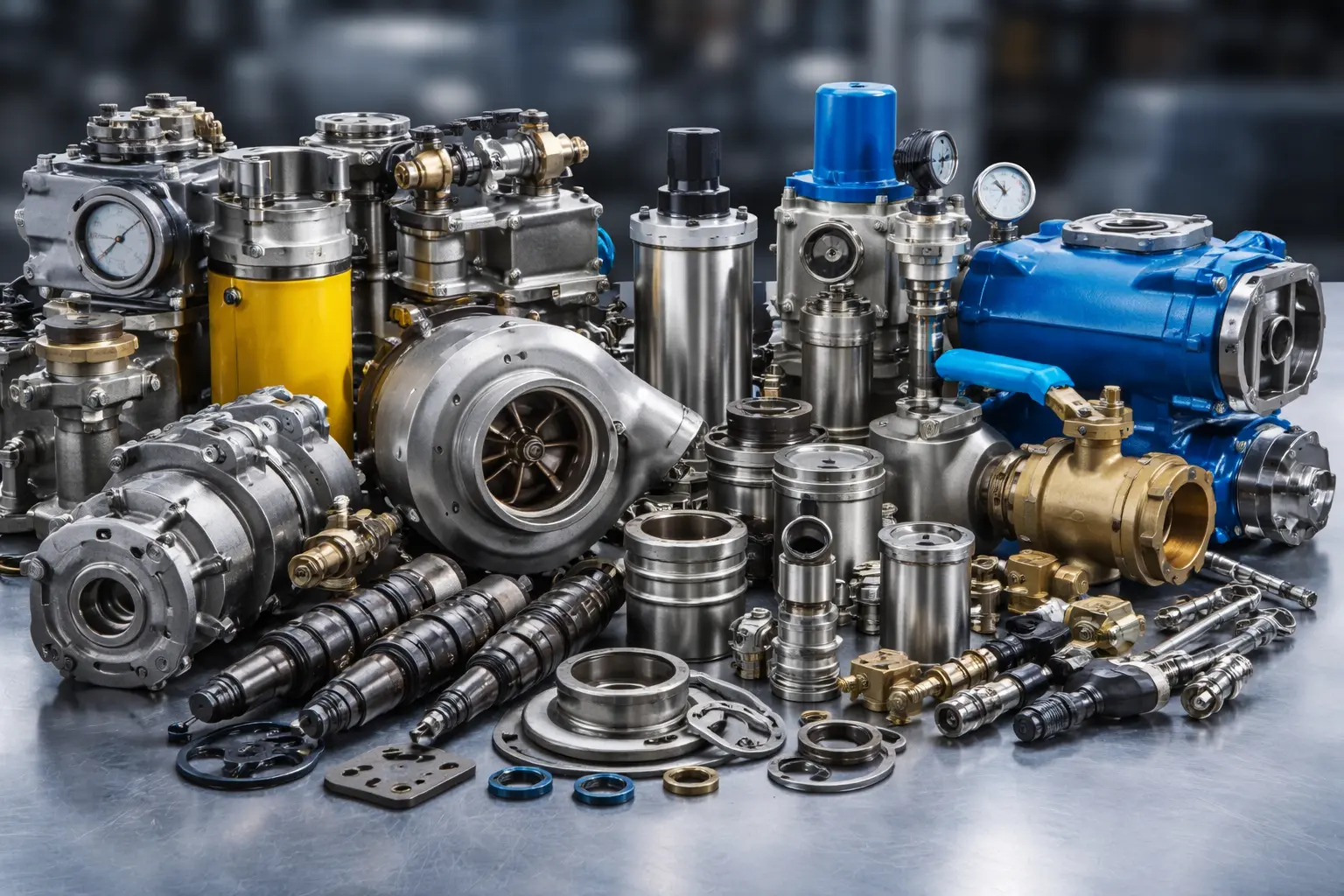
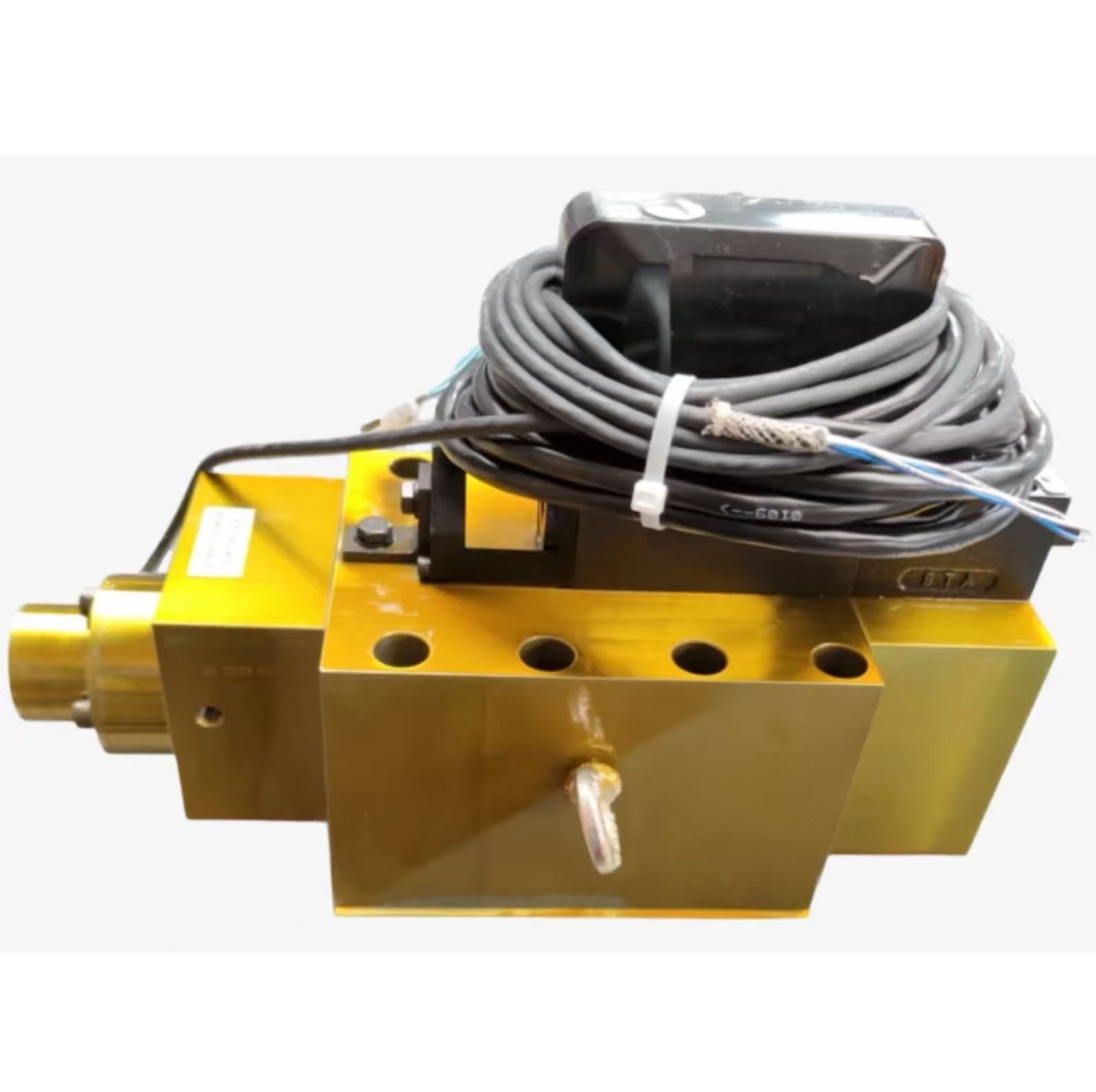
Hydraulic systems are the backbone of modern heavy machinery used across the United States from construction equipment in Texas to agricultural tractors in the Midwest. To understand how these machines deliver such powerful performance, you first need to understand components of a hydraulic system and how they function together.
This guide by KEEPHYDRO explains the hydraulic system components, their functions, and real-world applications in a simple and practical way for beginners and professionals.
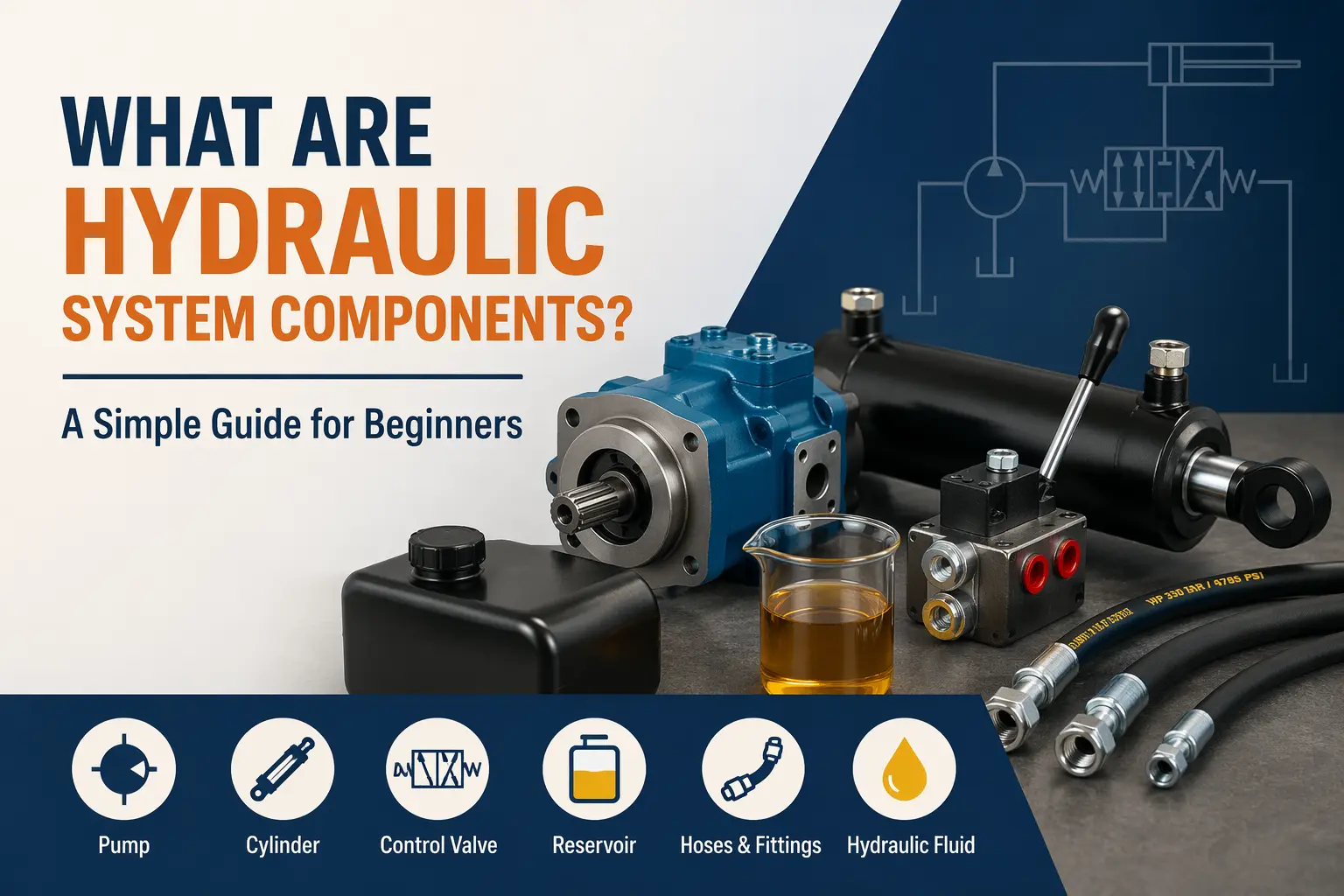
What are Hydraulic System Components?
A hydraulic system works using pressurized fluid to transmit power. The components of a hydraulic system are the parts that make this energy transfer possible.
A typical system includes:
- Hydraulic pump
- Hydraulic cylinder
- Control valves
- Hydraulic fluid
- Reservoir
- Hoses and fittings
Together, these form the basic hydraulic system parts that power industrial machines across the USA.
What Is The Working Principle Behind Hydraulic System Components?
The hydraulic system working principle is based on Pascal’s Law, which states that pressure applied to a confined fluid is transmitted equally in all directions.
In simple terms, hydraulic system elements work together like this:
- The hydraulic pump generates flow
- Directional control valve function manages fluid direction
- Flow control valve hydraulic systems regulate speed
- Hydraulic fluid transfers energy
- Hydraulic cylinder working converts pressure into motion
This combination of hydraulic components and systems allows machines to lift, push, and move heavy loads efficiently.
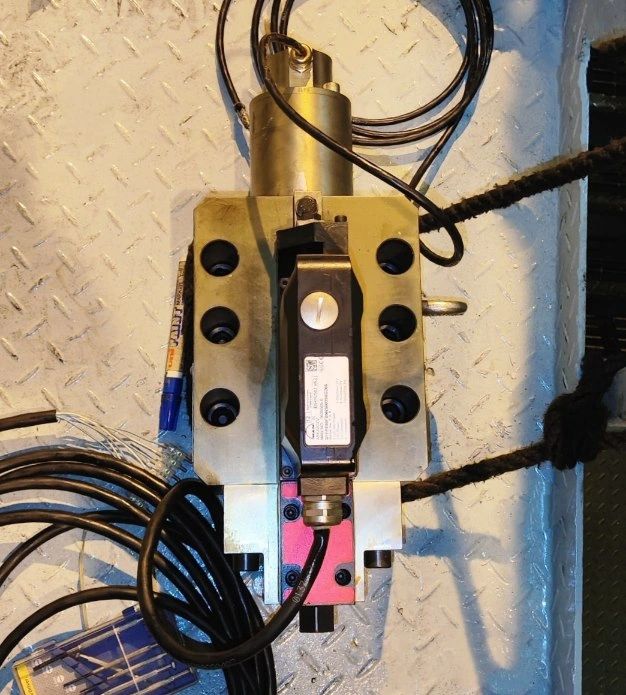
What Are The Main Hydraulic System Components And Their Functions?
Understanding the main components of a hydraulic system helps in both design and maintenance.
Hydraulic Pump Function
The pump is responsible for converting mechanical energy into hydraulic energy. It is one of the most critical hydraulic system components in industrial machinery.
Hydraulic Cylinder Working
The hydraulic cylinder converts fluid pressure into linear motion, commonly used in excavators, presses, and lifting equipment.
Hydraulic Valve Types And Functions
Valves control direction, pressure, and flow. These include directional control valves and pressure relief valves used in hydraulic circuit components.
Hydraulic Fluid Purpose
Hydraulic oil transfers energy and lubricates system parts, ensuring smooth operation of all hydraulic system parts.
Hydraulic Reservoir Function
It stores fluid, removes air, and helps maintain system stability.
Hydraulic Hoses And Fittings
These connect all components in the hydraulic system, ensuring leak-free fluid transfer.
Where Are Hydraulic System Components Used In The Usa?
Across the United States, hydraulic system elements are widely used in multiple industries:
Construction Industry
Excavators, cranes, and bulldozers rely on hydraulic system diagram components for lifting and digging operations.
Agriculture Sector
Tractors and harvesters use hydraulic system basics for beginners concepts in real applications like plowing and harvesting.
Manufacturing industry
Factories depend on hydraulic power system components for pressing, molding, and automation.
Aerospace And Defense
Advanced systems use precision-based hydraulic technology for control and movement systems.
These industries show how essential hydraulic system components are to the US economy.
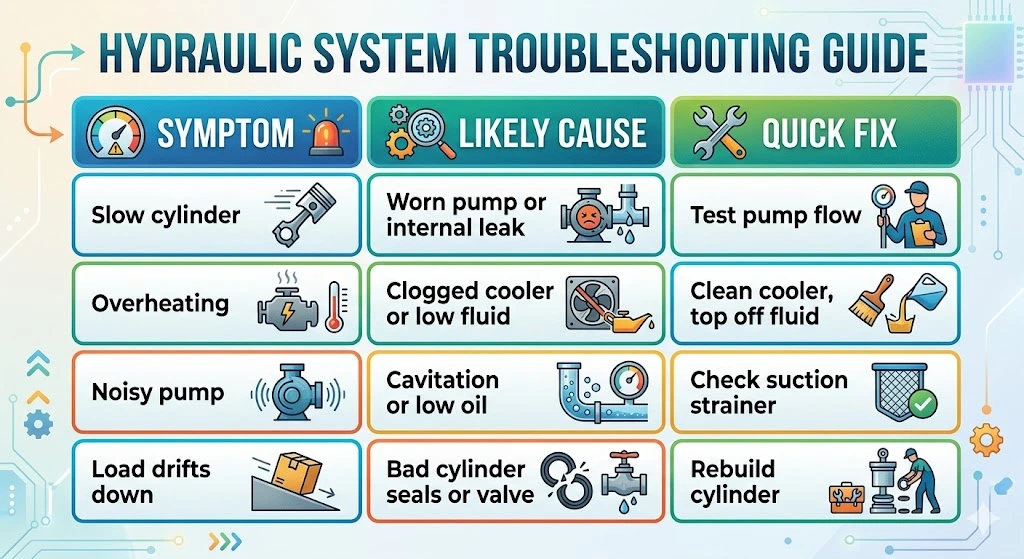
What Are Common Hydraulic System Problems?
Even well-designed hydraulic system components can face operational issues such as:
- Pressure loss in hydraulic system explanation simple cases
- Fluid contamination affecting system efficiency
- Leakage in hydraulic hoses and fittings
- Overheating in continuous operations
- Valve malfunction in hydraulic system components list setups
Early detection is critical to avoid breakdowns.
How Do You Maintain Hydraulic System Components?
Proper maintenance ensures long life and efficiency of hydraulic system parts.
Best practices include:
- Regular inspection of hydraulic system parts and functions
- Checking hydraulic fluid purpose and quality
- Cleaning filters in hydraulic reservoir function systems
- Inspecting directional control valve function
- Replacing worn seals and hoses
Good maintenance improves performance of all hydraulic components and systems.
How Does Keephydro Ensure Reliable Hydraulic System Components?
At KEEPHYDRO, we specialize in high-performance hydraulic system components designed for industrial use across the USA.
Our engineering focus includes:
- Precision-built hydraulic pump function systems
- Durable hydraulic cylinder working designs
- Advanced hydraulic valve types and functions
- Strict quality testing for hydraulic system parts list standards
We ensure every product supports efficient, long-term operation in demanding environments.
Why Are Hydraulic System Components Important?
The importance of hydraulic system elements lies in their ability to deliver:
- High power output in compact systems
- Accurate motion control
- Reliable performance in heavy-duty applications
- Energy-efficient operation
Without properly designed hydraulic components and systems, modern machinery would not function effectively.
Conclusion
Understanding components of a hydraulic system is essential for anyone working with industrial or mechanical equipment. From pumps and valves to cylinders and reservoirs, every part plays a critical role in system performance.
With growing demand in US industries, reliable solutions from KEEPHYDRO ensure that hydraulic system components continue to deliver efficiency, safety, and durability.
FAQs
1. What are hydraulic system components?
They are the parts like pump, cylinder, valves, and reservoir that transfer power using hydraulic fluid.
2. What are the basic hydraulic system components?
The basic hydraulic system components include pump, valves, cylinder, reservoir, hoses, and hydraulic fluid.
3. What is the hydraulic system working principle?
It works on Pascal’s Law, where pressure applied to fluid is transmitted equally in all directions.
4. Where are hydraulic system components used?
They are used in construction, agriculture, manufacturing, and aerospace industries in the USA.
5. How do hydraulic system components work together?
They work by generating, controlling, and transferring fluid power to produce mechanical motion.