Marine operations across the United States from Gulf offshore platforms to Great Lakes cargo routes are rapidly adopting marine hydraulic propulsion systems for their durability, flexibility, and efficiency. If you’re evaluating propulsion options, this buyer’s guide by KEEPHYDRO explains what matters most in 2026, with clear answers to common questions and practical, U.S.-focused insights.
What Is a Marine Hydraulic Propulsion System?
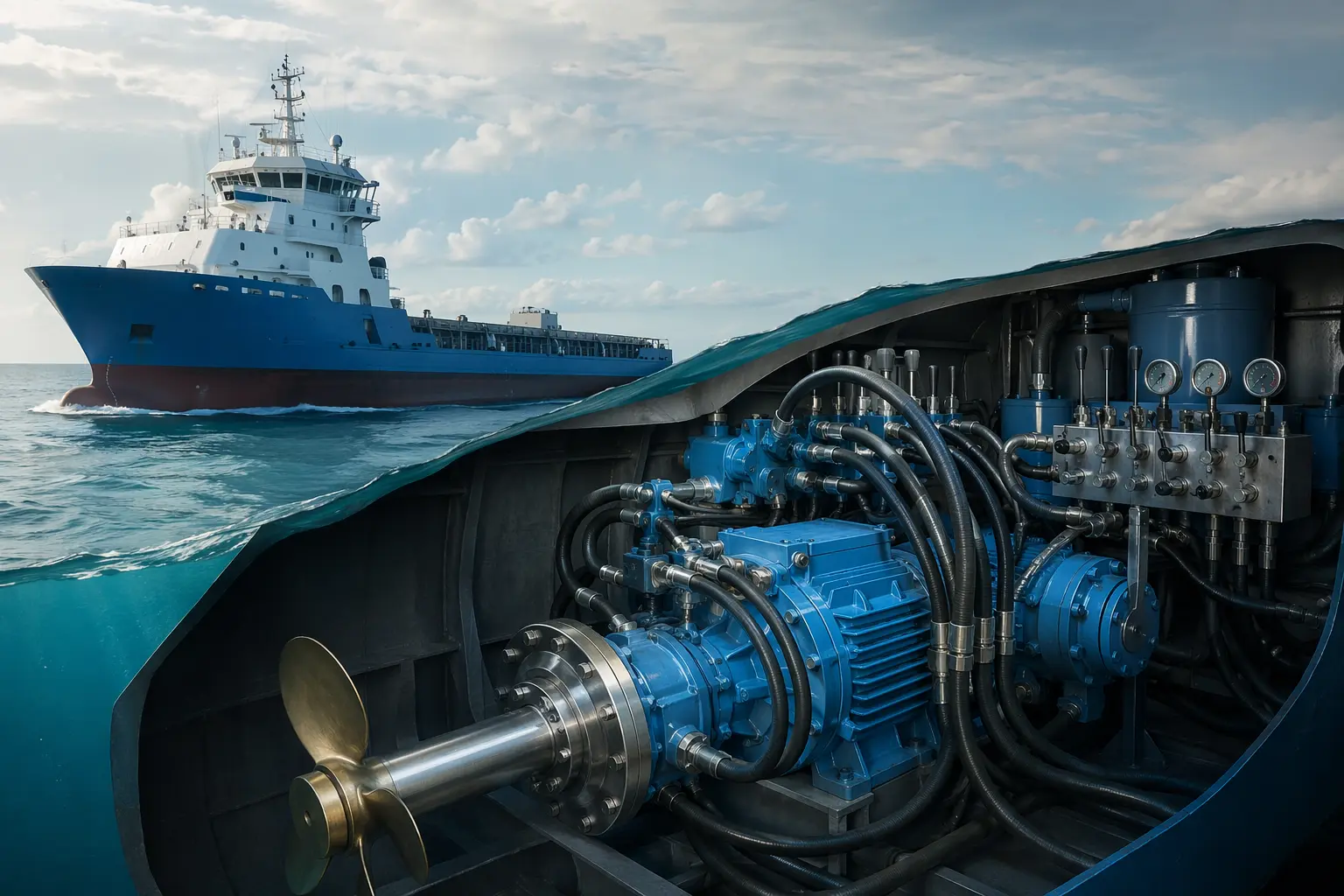
A marine hydraulic propulsion system uses pressurized fluid to transmit power from an engine to a propeller via hydraulic pumps and motors. Unlike purely mechanical setups, this approach allows flexible placement of components and smoother torque delivery.
It converts engine power into hydraulic energy and back into mechanical rotation to drive the propeller—ideal for vessels needing precise control and rugged performance.
How Do Marine Hydraulic Propulsion Systems Work?
In a typical marine hydraulic propulsion system, an engine drives a hydraulic pump. The pump pressurizes fluid, which flows through hoses to a hydraulic motor connected to the propeller shaft. Control valves regulate speed and direction.
Pump → pressurized fluid → motor → propeller, with valves managing flow for speed and reversing.
Why Choose Hydraulic Propulsion Over Alternatives?
For many U.S. operators, the decision comes down to reliability and control.
Key advantages of a marine hydraulic propulsion system:
- High torque at low speeds (great for tugboats and offshore vessels)
- Flexible layout (components can be positioned to suit deck design)
- Durability in harsh environments (saltwater, debris, variable loads)
- Simplified maintenance access compared to complex mechanical linkages
Choose hydraulic when you need precise control, robust performance, and layout flexibility.
Where Are These Systems Used in the USA?
Across the U.S., marine hydraulic propulsion systems are common in:
- Gulf of Mexico offshore vessels (support, supply, and service boats)
- Fishing fleets in Alaska and New England (low-speed maneuvering)
- Great Lakes cargo and workboats
- Harbor tugs and dredging vessels
They’re widely used in commercial vessels that demand control, reliability, and heavy-duty operation.
What Components Should Buyers Evaluate?
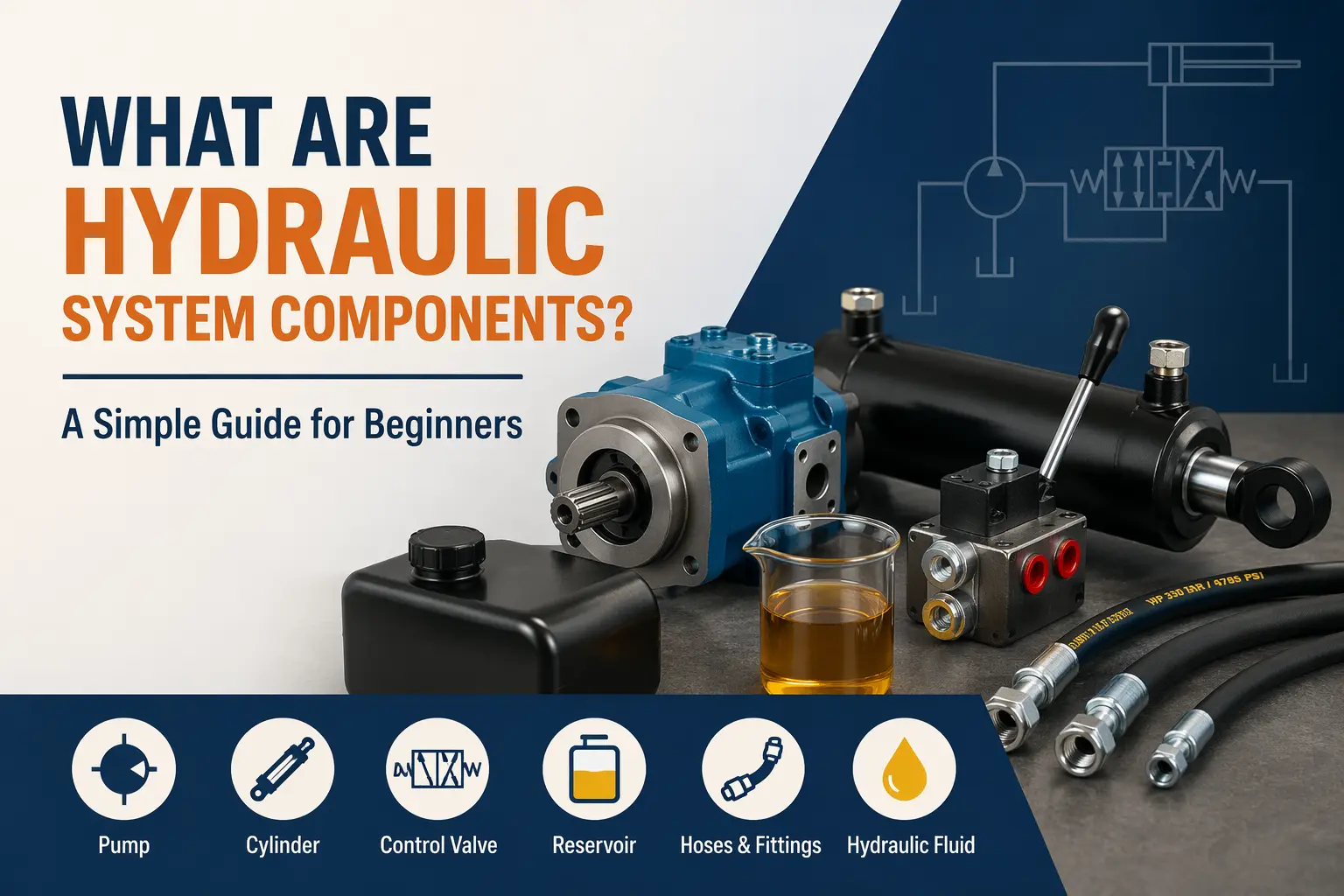
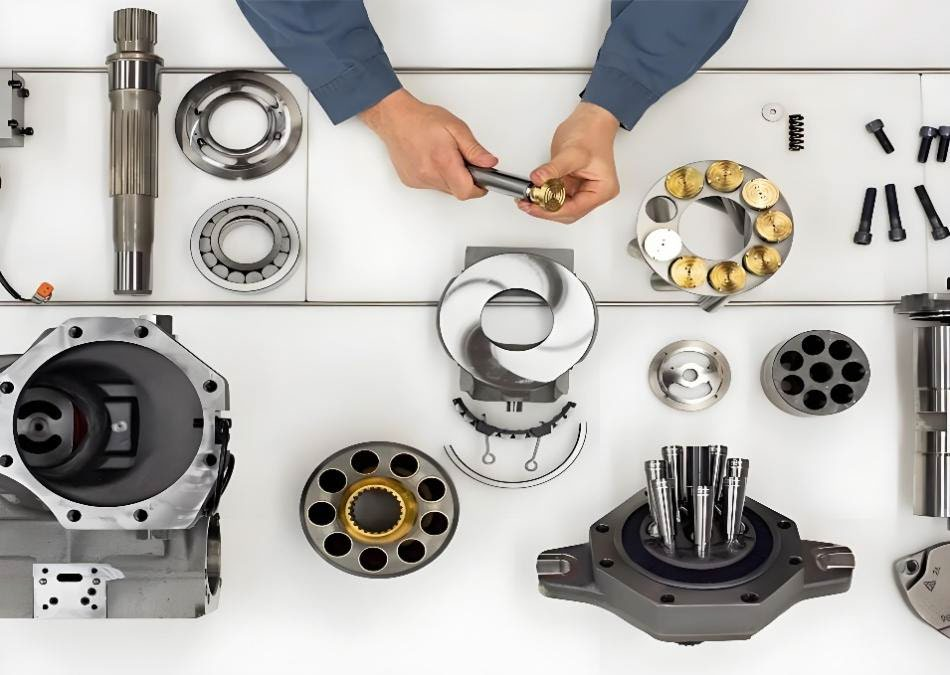
A high-quality marine hydraulic propulsion system includes:
- Hydraulic pumps (fixed or variable displacement)
- Hydraulic motors (matched to torque and RPM needs)
- Control valves and manifolds
- Reservoir and filtration systems
- Cooling units (critical in warm U.S. coastal waters)
Focus on pump-motor compatibility, filtration quality, and cooling capacity for long-term efficiency.
How Much Do Marine Hydraulic Propulsion Systems Cost?
Costs vary by vessel size, power requirements, and customization.
Typical U.S. cost ranges:
This is the average cost, cost may be varied upon condition and circumstances.
- Small workboats: $15,000–$50,000
- Mid-size commercial vessels: $50,000–$200,000
- Large offshore systems: $200,000+
Expect higher upfront cost than basic mechanical systems, but lower lifecycle costs due to durability and easier maintenance.
How to Choose the Right System in 2026?
When selecting a marine hydraulic propulsion system, consider:
- Vessel type and load profile (fishing, offshore, cargo)
- Operating environment (freshwater vs. saltwater, temperature)
- Efficiency requirements (fuel consumption, emissions goals)
- Maintenance access and support in the USA
- Supplier reputation and compliance standards
Match system specs to your vessel’s duty cycle and ensure strong after-sales support.
What About Maintenance and Efficiency?
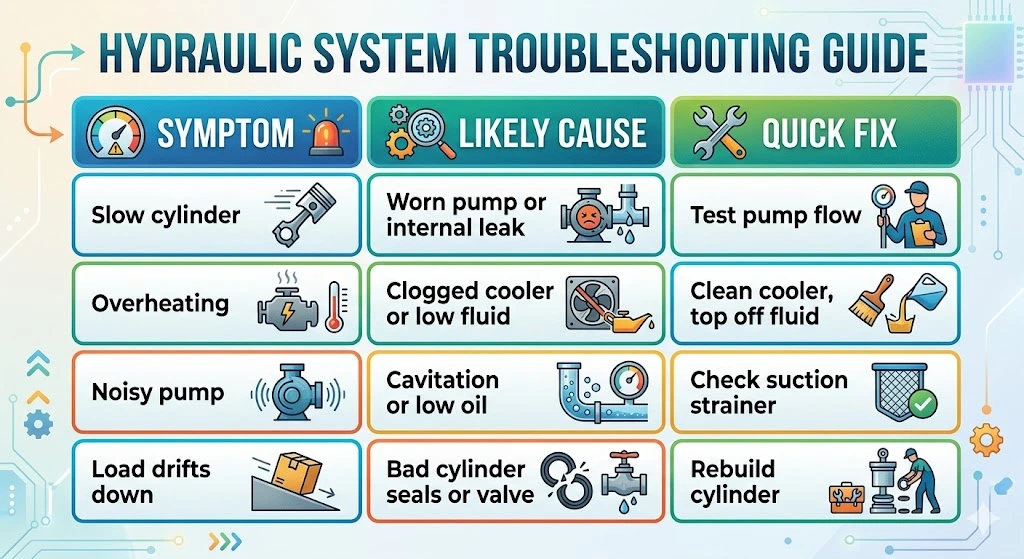
Routine care ensures optimal performance of your marine hydraulic propulsion system.
Best practices:
- Regular fluid analysis and replacement
- Filter changes to prevent contamination
- Monitoring pressure and temperature levels
- Scheduled inspection of hoses and seals
Preventive maintenance reduces downtime and extends system lifespan significantly.
Hydraulic vs Electric Marine Propulsion: Which Is Better?
This is a common buyer question in 2026.
- Hydraulic systems: better for heavy-duty, high-torque applications
- Electric systems: quieter, cleaner, but may require complex battery setups
For rugged commercial use, a marine hydraulic propulsion system remains the preferred choice in many U.S. industries.
Conclusion?
KEEPHYDRO specializes in advanced marine hydraulic propulsion systems engineered for U.S. operating conditions. With a focus on reliability, efficiency, and expert support, KEEPHYDRO helps vessel owners optimize performance while reducing long-term costs.
As U.S. marine industries evolve, investing in the right marine hydraulic propulsion system can improve efficiency, reduce downtime, and future-proof your vessel. With expert guidance from KEEPHYDRO, you can make a confident, data-driven decision in 2026.
FAQs
1. What is the main advantage of marine hydraulic propulsion systems?
They provide high torque, flexible installation, and reliable performance in demanding marine environments.
2. Are marine hydraulic propulsion systems energy efficient?
Yes, especially when properly designed and maintained, they offer strong efficiency for heavy-duty operations.
3. How long do hydraulic propulsion systems last?
With proper maintenance, a marine hydraulic propulsion system can last 10–20 years or more.
4. Which vessels benefit most from hydraulic propulsion?
Fishing boats, offshore support vessels, tugboats, and workboats benefit the most.
5. Is hydraulic propulsion better than electric for ships?
For high-load, commercial applications, hydraulic systems are often more practical and durable.